
How to Split a Database Across Multiple Files / Disks
Splitting a SQL Server database across multiple files and disks reduces I/O contention and improves throughput. Learn two practical methods using filegroups.
Read article →
How to Manually Remove Log Shipping
To remove log shipping by hand when SSMS cannot, run three system stored procedures in order: remove the secondary reference on the primary, delete the primary configuration, then clean up the secondary server. This clears orphaned log shipping metadata safely after a broken restore or a lost server.
Read article →
Script: Query Full Table Scans via the Search Cached Plans’ DMV
Use SQL Server's plan cache DMVs to surface full table scans, missing indexes, and columns with no statistics without running a trace or waiting for an incident.
Read article →
Identify Performance Bottlenecks with SQL 2005 and 2008 Perfmon Counters
Identify exactly where your SQL Server is struggling using the Perfmon counters experienced DBAs rely on first for memory, disk, locking and CPU diagnostics.
Read article →
Uncover Missing Indexes with DMV
Learn how to use SQL Server's missing index DMVs to identify index gaps that are quietly draining CPU and I/O from your production environment.
Read article →
How to Fix Orphaned Users in SQL Server
Orphaned users are one of the most common issues after SQL Server migrations and restores. Learn how to identify and fix them before they break production access.
Read article →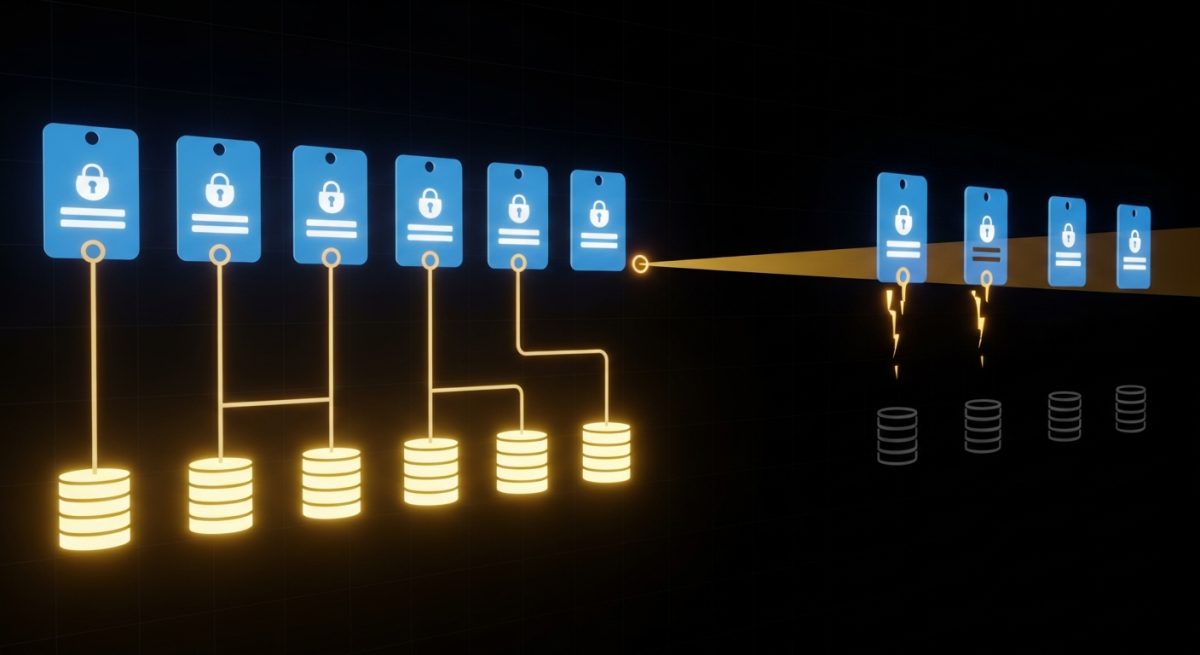
How to Find SQL Logins with NO Database Mappings
To find SQL Server logins with no database mappings, compare sys.server_principals with the users in every database and list the logins that map to none. These orphaned logins widen your attack surface, so review them in every security audit and remove the ones nobody can explain.
Read article →
How to Grant Read-Only Access to Activity Monitors
To give a user read-only Activity Monitor access in SQL Server, grant the server-level VIEW SERVER STATE permission. They can then see sessions, waits and expensive queries without sysadmin rights.
Read article →
Be Mindful of Deprecated Features in SQL Servers
Relying on deprecated SQL Server features is one of the fastest ways to turn a planned migration into an emergency. Learn how to audit and address them before you upgrade.
Read article →
Recompile All SQL Server Stored Procedures with this Script
Recompile all stored procedures in a SQL Server database with a single script. Refresh stale execution plans after schema or statistics changes without dropping any objects.
Read article →
Find the SQL Server Product Key with the Right Script
Retrieve your SQL Server product key directly from the Windows registry using xp_regread. A reliable method for licence audits, migrations and disaster recovery.
Read article →
How to Set Up Mirroring in a Workgroup Using Certificate Authentication
Learn how to set up SQL Server mirroring in a workgroup environment using certificate-based authentication, including optional witness server configuration for automatic failover.
Read article →